My Learning Portfolio EDCI - 336

Category: Inquiry Project

Inquiry Project #2

šŸ’žšŸŖšŸ’žValentines day cookies šŸ’žšŸŖšŸ’ž

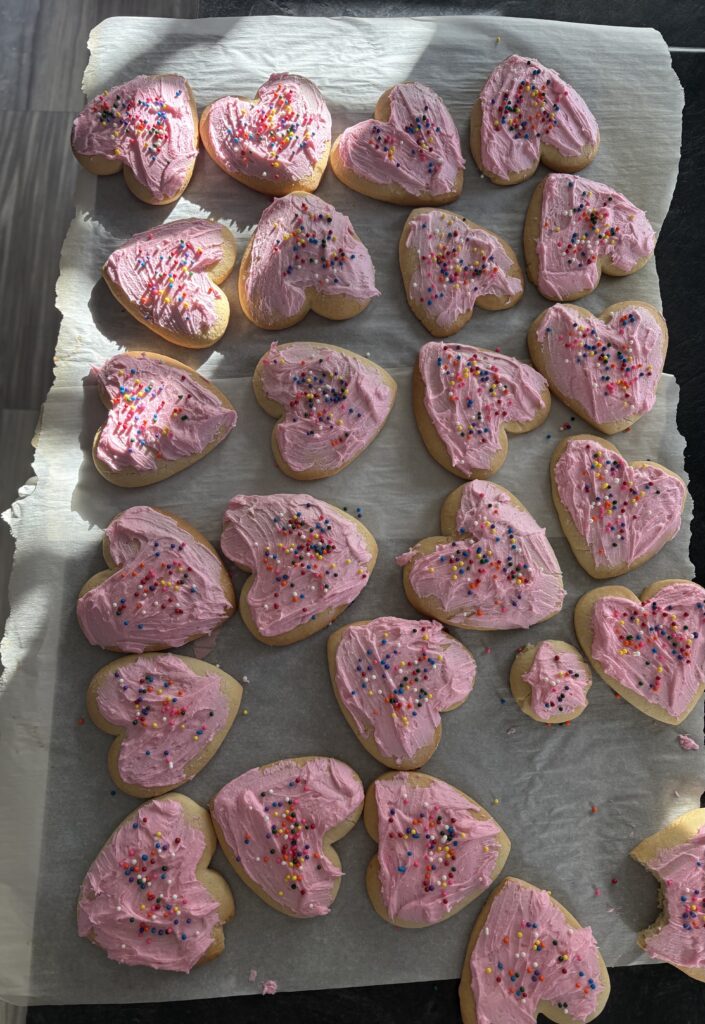
This week, for my inquiry project, I tried making gluten-free Valentine’s sugar cookies, and it ended up being such a fun little experiment. My goal was to get the cookies to rise while still staying fluffy with a slight crumble, taking my mom’s recipe and swapping out what needed to be changed to make it gluten-free. Sugar cookies can be tricky with gluten-free flour because it’s harder to get that light, airy texture and make the cookies rise nicely. The first time I tried these, they came out really, really flat and burnt at the bottom, but after tweaking the recipe, I was really happy with how the next batch turned ( as you can see bottom right I couldn’t wait to try these 🤣).

With Valentine’s Day coming up, I decorated them with pink icing and baked a batch to share with my friends. I usually rely on TikTok for recipes, but this time I found a great YouTube video that showed me step by step: https://www.youtube.com/watch?v=GstcvLthzCw. Since most recipes aren’t gluten-free, I had to swap the flour and add a few extra steps to get the texture just right.

When I brought the cookies to class the next day, my cohort friends said they couldn’t even tell they were gluten-free, which felt like such a win and got me really excited to try my next baking experiment.

Gluten-Free Sugar Cookies

Ingredients
• 1 cup butter, softened
• 2/3 cup icing sugar
• 2 cups gluten-free 1:1 baking flour (with xanthan gum) – very important! prevents crumbling
• 1 tsp vanilla extract
• 1/4 tsp salt

Instructions

  1. Preheat oven to 325°F (160°C) and line a baking sheet with parchment paper.
  2. Cream butter and icing sugar until light and fluffy.
  3. Mix in vanilla and salt.
  4. Slowly add gluten-free flour until a soft dough forms.
  5. Roll dough to about 1/4 inch thick between two sheets of parchment paper.
  6. Use cookie cutters to cut shapes and place on the baking sheet.
  7. Bake for 12–15 minutes until edges are lightly golden.
  8. Cool completely before decorating with icing and sprinkles.

Inquiry Project

Gluten-Free Recipes

šŸ«šŸ“ BERRY BLAST MUFFINS šŸ«šŸ“

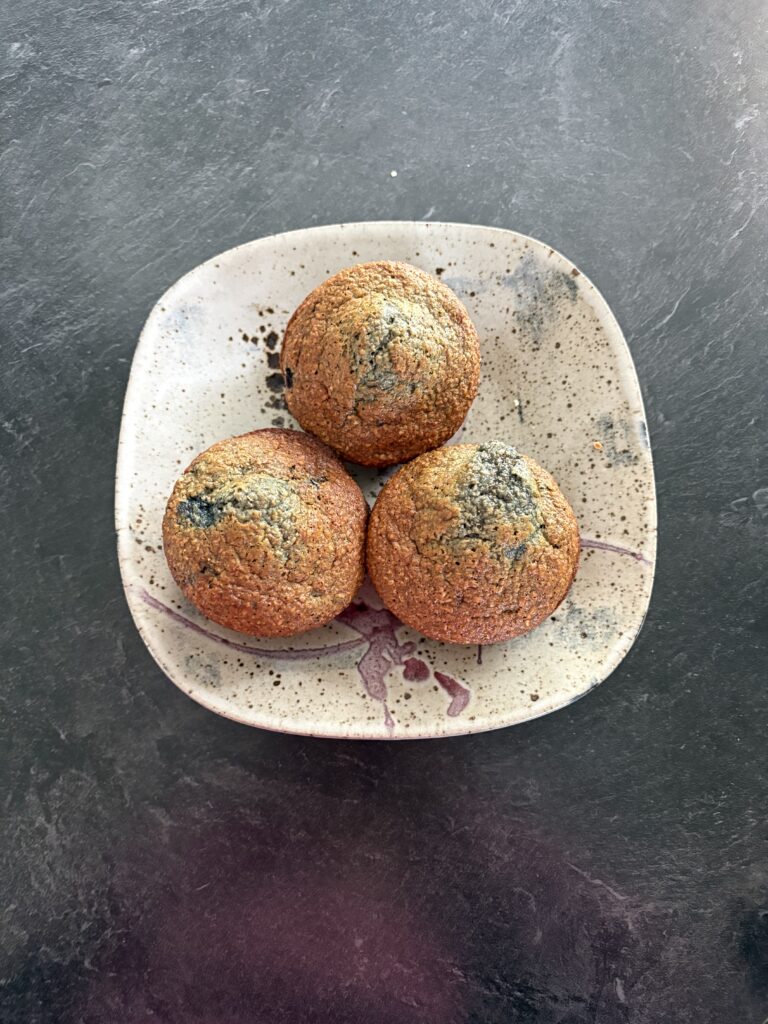
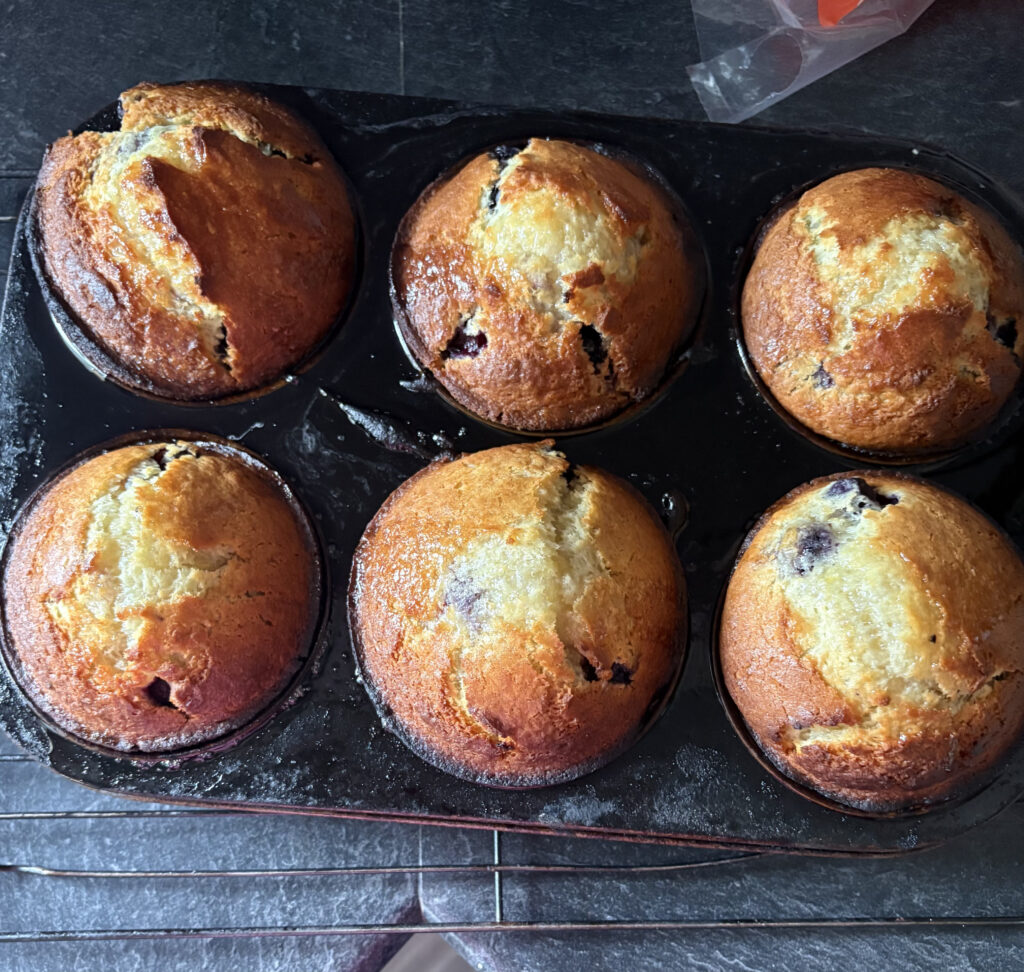
For my inquiry project, I am focusing on creating a new gluten-free recipe each week, both sweet and savoury. I chose this topic because I became gluten-free about eight months ago and quickly realized how difficult it can be to find recipes that are not only gluten-free, but also easy to make and genuinely taste good. Through my own experience, I’ve noticed that many gluten-free recipes are either overly complicated or don’t compare well to non–gluten-free options. I also know that many people are gluten-free or have celiac disease, which makes access to enjoyable and reliable recipes even more important.

My initial goal for this inquiry is to experiment with gluten-free baking and cooking while developing recipes that are simple, accessible, and enjoyable. I want to build confidence in gluten-free cooking and create recipes that others could realistically make at home. This week, I started my inquiry by making gluten-free Berry Blast Muffins, which allowed me to explore ingredient substitutions compared to traditional baking. This recipe was one of the first Gluten-Free treat I made. Took a couple times but I finally feel like I perfected these. 

To support my inquiry, I plan to use a variety of resources, including gluten-free food blogs, Tik-Tok, and online baking guides. Some resources I expect to use include Minimalist Baker, and Celiac Canada, which offer helpful tips on ingredient swaps and gluten-free techniques. I will also reflect on my own trial-and-error experiences as part of the learning process.

To document my inquiry in a more engaging way, I will include photos of the recipes I create, along with written reflections on what worked well and what I would change next time. Using multimedia will help visually show the process and final results, making the inquiry more interactive and authentic. Throughout the project, I will also link to recipes, resources, and related blog posts to support my learning and connect my inquiry to existing gluten-free communities.

Ingredients

1 cup mixed berries (blueberries, raspberries, strawberries.. fresh or frozen)

1 ¾ cups gluten-free all-purpose flour

¾ cup sugar (white or coconut sugar)

2 tsp baking powder

¼ tsp salt

2 large eggs

½ cup milk (or almond/oat milk)

ā…“ cup oil (or melted butter)

1 tsp vanilla extract

Weekly Reflection #1

Inquiry-based learning and ā€œreimagining educationā€ 

Inquiry-based learning gives students the chance to really dive into their own learning in a way that is active, hands-on, and driven by their curiosity. Traditional methods don’t always offer this kind of experience, which is why I think every student should get to try it at least once during the school year. According to Guided Inquiry Design, inquiry-based learning is all about students taking the lead. Instead of just absorbing information, they ask questions, gather data, and explore topics through activities and collaboration. This kind of learning encourages critical thinking, problem solving, and real engagement with the material, rather than simply following instructions from a teacher.

Completely reimagining education might sound exciting, but I don’t think we need to go that far. What would really help is a mix of traditional learning and inquiry-based opportunities. In our breakout room discussions, we talked about how some students thrive when they can take a project-based or inquiry approach, especially if regular lessons aren’t keeping them engaged. This could mean offering optional projects, mixing hands-on research into assignments, or finding ways to balance structured lessons with exploration throughout the school year. Of course, not every student will flourish in a fully inquiry-based environment, so it’s important to have both approaches available depending on each student’s strengths and learning style.

I also noticed that students still care a lot about grades because that is how they get into university. If we want students to focus more on actual learning rather than just marks, we need to shift some of that emphasis away from grades and highlight the value of learning itself.

Pros & cons of Lesson Plans vs Learning Plans

When reflecting on lesson plans versus learning plans, I can see how both approaches are valuable in a teaching context, especially in a Physical Education classroom. Lesson plans provide important structure, clear goals, and organization, which is helpful in PE for safety, time management, and ensuring students understand expectations during activities. Having a solid lesson plan allows teachers to prepare equipment, plan progressions, and make sure learning outcomes are being met. However, lesson plans can sometimes feel too rigid and may limit student choice or responsiveness to how students are feeling or engaging on a particular day.

Learning plans, on the other hand, focus more on the student experience and allow for greater flexibility, voice, and ownership in learning. In PE, this could look like giving students options in activities, allowing them to set personal fitness goals, or choosing how they demonstrate their learning. Learning plans can increase motivation and engagement, especially for students who may not always enjoy traditional PE structures. That said, learning plans can be more challenging to manage in a PE setting if students need clear routines or additional guidance, particularly with large class sizes or varying skill levels.

Overall, I don’t believe one approach should replace the other. Instead, combining lesson plans with learning plans creates a balanced PE environment where structure, safety, and curriculum goals are maintained, while still allowing space for flexibility, student choice, and meaningful movement experiences. This balance supports a wider range of learners and helps make PE a more inclusive and positive experience for all students.

EDCI 336 – Most Likely To Succeed Discussion. https://docs.google.com/presentation/d/1xJZhQuIh57C4jHap_yEKBIuYFGoLsxsmRbymwn9ysPE/edit?slide=id.p#slide=id.p

© 2026 Calli's Blog

Theme by Anders NorenUp ↑