My Learning Portfolio EDCI - 336

Author: callim10 (Page 1 of 2)

Inquiry Project #2

💞🍪💞Valentines day cookies 💞🍪💞

This week, for my inquiry project, I tried making gluten-free Valentine’s sugar cookies, and it ended up being such a fun little experiment. My goal was to get the cookies to rise while still staying fluffy with a slight crumble, taking my mom’s recipe and swapping out what needed to be changed to make it gluten-free. Sugar cookies can be tricky with gluten-free flour because it’s harder to get that light, airy texture and make the cookies rise nicely. The first time I tried these, they came out really, really flat and burnt at the bottom, but after tweaking the recipe, I was really happy with how the next batch turned ( as you can see bottom right I couldn’t wait to try these 🤣).

With Valentine’s Day coming up, I decorated them with pink icing and baked a batch to share with my friends. I usually rely on TikTok for recipes, but this time I found a great YouTube video that showed me step by step: https://www.youtube.com/watch?v=GstcvLthzCw. Since most recipes aren’t gluten-free, I had to swap the flour and add a few extra steps to get the texture just right.

When I brought the cookies to class the next day, my cohort friends said they couldn’t even tell they were gluten-free, which felt like such a win and got me really excited to try my next baking experiment.

Gluten-Free Sugar Cookies

Ingredients
• 1 cup butter, softened
• 2/3 cup icing sugar
• 2 cups gluten-free 1:1 baking flour (with xanthan gum) – very important! prevents crumbling
• 1 tsp vanilla extract
• 1/4 tsp salt

Instructions

  1. Preheat oven to 325°F (160°C) and line a baking sheet with parchment paper.
  2. Cream butter and icing sugar until light and fluffy.
  3. Mix in vanilla and salt.
  4. Slowly add gluten-free flour until a soft dough forms.
  5. Roll dough to about 1/4 inch thick between two sheets of parchment paper.
  6. Use cookie cutters to cut shapes and place on the baking sheet.
  7. Bake for 12–15 minutes until edges are lightly golden.
  8. Cool completely before decorating with icing and sprinkles.

Weekly Reflection #4

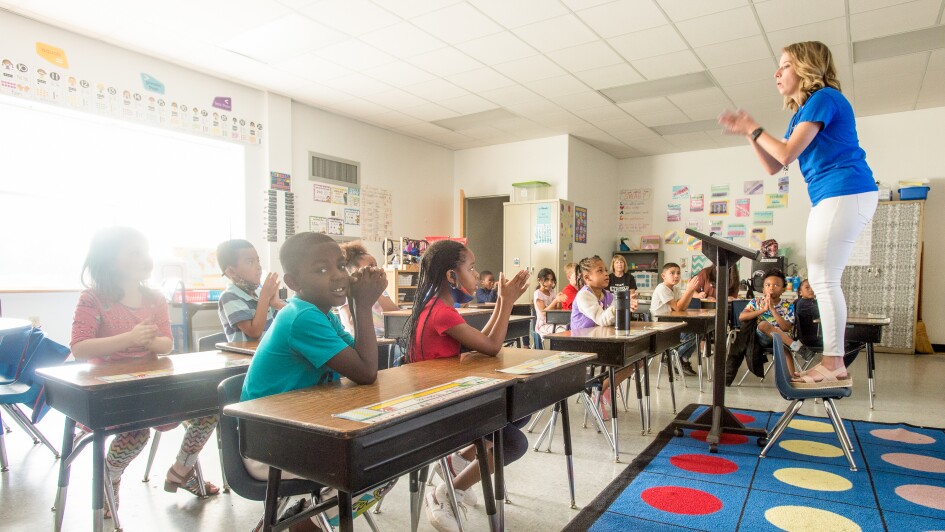
During week four, we had the opportunity to tour Pacific School in downtown Victoria. In the morning we got to meet the principal and owner. He was incredibly welcoming and took the time to answer many of our questions about the school, its structure, and how it operates. One thing that really stood out to me was learning how private schools still work within the framework of the BC curriculum while having more flexibility in how they deliver it. It made me curious about how the same provincial learning standards and BC Core Competencies are interpreted and implemented in different school settings which I thought was very interesting because I never actually took the time to read the differences https://curriculum.gov.bc.ca/competencies. Seeing how a private school approaches the same expectations helped me realize that while the learning goals remain consistent across BC, the environment, resources, and teaching approaches can look very different.

I was especially interested in thinking about what Physical and Health Education might look like in a school like Pacific School. Access to facilities such as gyms, outdoor spaces, and recreation centres can shape how PHE is taught and experienced. This visit made me reflect on how schools without large gym spaces may rely more on community partnerships, outdoor learning, or creative use of smaller spaces. It reinforced the idea that strong PHE programs are not only about facilities but also about creativity, flexibility, and building connections with the local community. Overall, the visit was very fun and made me think more in depth about how school context influences teaching and how educators adapt to provide different learning techniques/ways to help their students.

Weekly Reflection #3

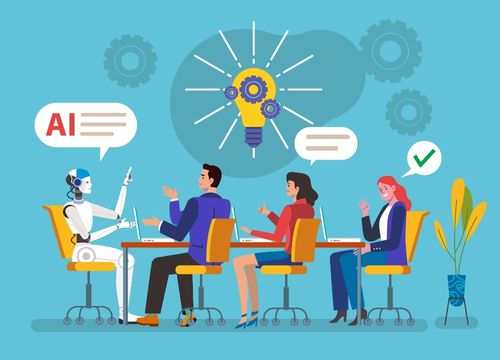
Think about how you’ve found generative AI useful or not for educational purposes

I have found generative AI to be both useful and limited for educational purposes. It can be a helpful support tool for brainstorming ideas, clarifying concepts, and assisting with planning or organization. In educational settings, including areas I will be teaching like Physical and Health Education, it can be especially useful for opening up discussion ideas or background information for topics related to health, wellness, and mental well-being. At the same time, generative AI has clear limitations. It cannot replace critical thinking, creativity, or hands-on learning, which are essential parts of meaningful education. There is also the risk of being more reliant with it, where learners may depend on AI instead of engaging with the material in class. Overall, I find generative AI most effective when it is used intentionally as a support tool rather than a replacement for learning, reflection, or in person interactions.

Describe possible uses for generative AI in school settings at the level you would like to teach

Generative AI has several possible uses in school settings, particularly at the high school level, and in middle school as well. For us teachers, I feel like generative AI can be used as a planning and support tool rather than a replacement for teaching. It can help generate lesson ideas, adapt activities for different age groups, and support creative prompts or questions that encourage student thinking. In Physical and Health Education, AI could assist with planning health-related lessons such as mental health discussions, goal-setting activities, or wellness reflections, while still allowing physical skill development and movement-based learning to remain hands-on and student-driven. This type of support can help teachers manage workload and focus more time on instruction, relationship-building, and student engagement. At the same time, I have noticed that over-reliance on AI can be risky…. if teachers or students depend too much on it, it can reduce creativity, critical thinking, and personal reflection.

For students, generative AI can be used as a guided learning support when clear boundaries are in place. At the secondary and middle school levels, students could use AI to help clarify concepts, brainstorm ideas, or organize their thinking before beginning assignments. In PHE, this might include helping students reflect on personal fitness goals, better understand health concepts, or generate questions related to well-being topics. However, it is important that AI is not used to complete work for students. Instead, it should support preparing and thinking, with learning and assessment taking place through in-class activities, physical participation, and personal reflection. Age appropriateness is also important; younger students require more guidance, while older students can benefit from structured support that encourages independent learning.

Overall, generative AI works best when it helps students learn while still allowing teachers to maintain real connections with them. This is especially important in subjects like PHE, where teamwork, relationships, and hands-on learning play a big role. When used responsibly and with purpose, AI can enhance teaching and learning without taking the place of the human interaction that is essential to education. It is also important to consider ethical and environmental issues, such as the ownership of AI-generated content, digital privacy, and the energy demands of AI systems. Reflecting on my own experiences, I see AI as a valuable support tool, but only when it is used intentionally and does not replace genuine teacher-student engagement or meaningful learning experiences.

References

Government of Canada. (2023). Responsible artificial intelligence and digital literacy. Government of Canada. https://www.canada.ca

Common Sense Education. (2023). Artificial intelligence and education. https://www.commonsense.org/education

Inquiry Project

Gluten-Free Recipes

🫐🍓 BERRY BLAST MUFFINS 🫐🍓

For my inquiry project, I am focusing on creating a new gluten-free recipe each week, both sweet and savoury. I chose this topic because I became gluten-free about eight months ago and quickly realized how difficult it can be to find recipes that are not only gluten-free, but also easy to make and genuinely taste good. Through my own experience, I’ve noticed that many gluten-free recipes are either overly complicated or don’t compare well to non–gluten-free options. I also know that many people are gluten-free or have celiac disease, which makes access to enjoyable and reliable recipes even more important.

My initial goal for this inquiry is to experiment with gluten-free baking and cooking while developing recipes that are simple, accessible, and enjoyable. I want to build confidence in gluten-free cooking and create recipes that others could realistically make at home. This week, I started my inquiry by making gluten-free Berry Blast Muffins, which allowed me to explore ingredient substitutions compared to traditional baking. This recipe was one of the first Gluten-Free treat I made. Took a couple times but I finally feel like I perfected these. 

To support my inquiry, I plan to use a variety of resources, including gluten-free food blogs, Tik-Tok, and online baking guides. Some resources I expect to use include Minimalist Baker, and Celiac Canada, which offer helpful tips on ingredient swaps and gluten-free techniques. I will also reflect on my own trial-and-error experiences as part of the learning process.

To document my inquiry in a more engaging way, I will include photos of the recipes I create, along with written reflections on what worked well and what I would change next time. Using multimedia will help visually show the process and final results, making the inquiry more interactive and authentic. Throughout the project, I will also link to recipes, resources, and related blog posts to support my learning and connect my inquiry to existing gluten-free communities.

Ingredients

1 cup mixed berries (blueberries, raspberries, strawberries.. fresh or frozen)

1 ž cups gluten-free all-purpose flour

ž cup sugar (white or coconut sugar)

2 tsp baking powder

Âź tsp salt

2 large eggs

½ cup milk (or almond/oat milk)

⅓ cup oil (or melted butter)

1 tsp vanilla extract

Weekly Reflection #2

Describe how you could use video or audio editing as the assignment medium for the subject and grade level you will be teaching (if at all), and what you could do to make the assignment as engaging as possible.

Video and audio can be very useful in classrooms because it encourages students to show their learning in ways beyond just writing a paper. For me, since my teaching area is Physical Education, video and audio editing can be especially effective for both skill development and health-related learning. One way I would use this is by having students record themselves performing a specific skill at the beginning of the semester and again at the end, allowing them to see changes in their technique and confidence over time. Video or audio could also be used in health units, where students create short clips teaching a skill, explaining a fitness or wellness concept, or reflecting on their learning, since teaching others helps reinforce understanding. To make the assignment engaging, students could have choice in topics, use simple editing tools, and include a short reflection on what they learned and how they improved.

Describe how Multi-media Learning Theory can help us create more effective instructional videos and tutorials.

Multimedia Learning Theory helps us create more effective instructional videos and tutorials by showing how people learn best when information is presented in manageable ways. I feel like it suggests that learners understand content better when visuals and audio work together rather than overwhelming them with too much text or too much information at one time. By keeping videos short, focused on one main idea, and using visuals that directly support what is being explained, students are more likely to stay engaged and remember the content (I know I would). This theory also reminds educators to avoid distractions, speak clearly, and give learners time to process information, making instructional videos easier to follow and more effective for learning.

Weekly Reflection #1

Inquiry-based learning and “reimagining education” 

Inquiry-based learning gives students the chance to really dive into their own learning in a way that is active, hands-on, and driven by their curiosity. Traditional methods don’t always offer this kind of experience, which is why I think every student should get to try it at least once during the school year. According to Guided Inquiry Design, inquiry-based learning is all about students taking the lead. Instead of just absorbing information, they ask questions, gather data, and explore topics through activities and collaboration. This kind of learning encourages critical thinking, problem solving, and real engagement with the material, rather than simply following instructions from a teacher.

Completely reimagining education might sound exciting, but I don’t think we need to go that far. What would really help is a mix of traditional learning and inquiry-based opportunities. In our breakout room discussions, we talked about how some students thrive when they can take a project-based or inquiry approach, especially if regular lessons aren’t keeping them engaged. This could mean offering optional projects, mixing hands-on research into assignments, or finding ways to balance structured lessons with exploration throughout the school year. Of course, not every student will flourish in a fully inquiry-based environment, so it’s important to have both approaches available depending on each student’s strengths and learning style.

I also noticed that students still care a lot about grades because that is how they get into university. If we want students to focus more on actual learning rather than just marks, we need to shift some of that emphasis away from grades and highlight the value of learning itself.

Pros & cons of Lesson Plans vs Learning Plans

When reflecting on lesson plans versus learning plans, I can see how both approaches are valuable in a teaching context, especially in a Physical Education classroom. Lesson plans provide important structure, clear goals, and organization, which is helpful in PE for safety, time management, and ensuring students understand expectations during activities. Having a solid lesson plan allows teachers to prepare equipment, plan progressions, and make sure learning outcomes are being met. However, lesson plans can sometimes feel too rigid and may limit student choice or responsiveness to how students are feeling or engaging on a particular day.

Learning plans, on the other hand, focus more on the student experience and allow for greater flexibility, voice, and ownership in learning. In PE, this could look like giving students options in activities, allowing them to set personal fitness goals, or choosing how they demonstrate their learning. Learning plans can increase motivation and engagement, especially for students who may not always enjoy traditional PE structures. That said, learning plans can be more challenging to manage in a PE setting if students need clear routines or additional guidance, particularly with large class sizes or varying skill levels.

Overall, I don’t believe one approach should replace the other. Instead, combining lesson plans with learning plans creates a balanced PE environment where structure, safety, and curriculum goals are maintained, while still allowing space for flexibility, student choice, and meaningful movement experiences. This balance supports a wider range of learners and helps make PE a more inclusive and positive experience for all students.

EDCI 336 – Most Likely To Succeed Discussion. https://docs.google.com/presentation/d/1xJZhQuIh57C4jHap_yEKBIuYFGoLsxsmRbymwn9ysPE/edit?slide=id.p#slide=id.p

Blog Post #11 Who Needs To Know About Your PLN?

The readings for our final week of EDCI 338, made me reflect on what I have gained, personally and professionally, from taking this class.  One of the most important things I have learned in this course is the value of having a personal learning network(PLN) that encompasses life-long learning through diversity, and making meaningful connections with others. The knowledge that I have gained from the personal experiences shared in weekly blogs, guest interviews, course readings, and most importantly, Jayne and Asha, will forever change who I am and who I want to be. As “ great ideas can come from anywhere and anyone”, having the opportunity to share my thoughts, knowledge, ideas, and insights and then learn from other people’s opinions and perspectives, has made me realize how important it is to continue to learn, and grow as a leader and role model(Qualman, 2012).  When you want to be a leader, you can actually influence people more when you share information.

My perspective on how to use social media in my personal life has changed since the beginning of this course. I am much more focussed on the presentation and reputation of my digital identity. No matter what social media platform I use, I am much more aware of the digital image that I am creating of myself and how this can affect my reputation. The posts and comments that I make are a representation of who I am as a person so it is best to share supportive comments and learn to share differing opinions in a kind and thoughtful way. It is easy to react in the moment and comment when you are emotional but social media can be very unforgiving. My perspectives on social media has also expanded from just using social media for personal use to learning how to promote professional growth as well. In a professional setting, a PLN can create more opportunities to share ideas, experiences, and resources with other experts and professionals in relation to our professional interests, “every connection we have knows something that we do not”(Qualman, 2012).  I also have a much better understanding of the role diversity has in my personal and professional growth. The readings and videos clarified the importance behind incorporating diversity into my PLN and made me think about looking at situations through a different lens. 

The blogs that have been posted by my classmates throughout the course has provided me with valuable information and given me insight into a variety of different perspectives on what role our digital identity plays in our professional development.  I am aware of the ramifications your digital identity can have on your professional career in terms of applying for jobs. The fact that more and more employers are looking at future employee social media accounts was eye opening. When ever I post pictures or comment on pictures, I always remind myself to not post something that could be deemed insensitive or offensive to a future employer. By taking a step back and being critical about my digital identity, I have realized that there is a certain level of responsibility that comes with using social media for personal and professional purposes. The valuable lessons that I have learned on how to manage and protect my reputation in public and private online spaces and how important it is to be media literate in today’s online world, will help me communicate and collaborate in a much better way in the future. 

Moving forward, I am excited to expand my PLN and look for new opportunities to learn and network from people that I wouldn’t normally connect with.  Through diversity, I will continue to listen to peoples experiences and apply them to my own life. I will expand my networking skills and use a variety of social media tools to promote and advocate for social change. This course has given me incentive to get involved in my community because a group of people no matter what their experiences, are more powerful than one voice. I also think that it is worth mentioning that I value the importance of listening and having discussions about issues that may be uncomfortable because I now know how important it is for others to learn as well.

References

Qualman, E. (2012). Digital leader: 5 simple keys to success and influence (1st ed.). New York: McGraw-Hill. Chapter Retrieved from: https://learning-oreilly-com.ezproxy.library.uvic.ca/library/view/digital-leader-5/9780071792424/ch16.html

Blog Post #10 Engaging Your PLN

How you can use the PLN interactions of this course to further your digital identity post-term?

I will use my PLN interactions from EDCI 338 to further my digital identity post-term by continuing to learn by sharing ideas, experiences, and resources with classmates on Mattermost. The blogs that have been posted by my classmates throughout the course has provided me with valuable information and given me insight into a variety of different perspectives on what our digital identity is and the role it has in my professional development. By taking a step back and being critical about my digital identity, I have realized that there is a certain level of responsibility that comes with using social media for personal and professional purposes. The valuable lessons that I have learned on how to “manage and protect my reputation in public and private online spaces” and how important it is to be media literate in today’s online world, will help me communicate and collaborate in a much better way(Olivera, 2014). I also think the PLN interactions from this class will help remind me to stay focused on the two areas of my digital identity that Costa & Torres highlight; presentation and reputation(Olivera, 2014). My presentation will encompass how I work online and how I engage and interact in shared spaces, and my reputation will focus on the perspective that others have of me. By expanding my digital identity, I will build trust with the people I interact with and this will improve my online reputation and credibility. I am hoping that my PLN interactions in this class will continue post term because I have met a lot of cool people and I hope to stay connected through various social media platforms.

What does it mean to have a digital identity in your industry of choice and can your current PLN be used to help professional development post-course? 

As a fifth year Recreation and Health student at UVic, it is important to have a  digital identity that is well respected by my peers. As a varsity athlete, it is important to have a digital identity that is an honest reflection of who I am and how much I value representing my team, teammates, coaches and university, in a respectful way. It is a challenge to keep my personal and professional digital identities separate and my current PLN will continue to support me in achieving a balance between the two. When I graduate next year, one of my goals is to try and play basketball professionally overseas. I hope to continue to expand my PLN and connect with people that may be able to help me achieve this goal. If my dream does not work out, I will continue to expand my PLN with people who have similar interests in working in the recreation and health field. No matter what direction I take, the goal will be to continue to build a network of people with whom you are connected to in order to learn and that is created according to personal interests and needs, providing learning opportunities, providing answers to questions and contributing to mutual learning(Olivera, 2014).

As you progress through the steps of your career, can your PLN be relied on to open professional opportunities?

 I think that as I progress through my career, my PLN can be used to help open  professional opportunities because it not only provides me an opportunity to share resources and ideas with other professionals anywhere in the world, but it also provides me a way to share my knowledge with others and a way to gain new perspectives.  After all, a PLN is a group of colleagues and/or professionals that you can connect with in order to enhance your personal learning and take charge of your own professional development. I believe that learning never stops and the connections that I have made and will make, will provide me with opportunities for professional growth.

References

Oliveira, N. R., & Morgado, L. (2014). “Digital Identity of Researchers and Their Personal Learning Network.” Learning and Collaboration Technologies. Technology-Rich Environments for Learning and Collaboration, 469–475. doi: 10.1007/978-3-319-07485-6_46

Blog Post #9 Why Media Literacy matters in your PLN

What Is Media Literacy And Why Is It Important?

Media literacy is the ability to identify different types of media, such as newspapers, TV, tweets, videos, web sites, etc. and understand the message or information they are intending to convey. However, media literacy means not only to be able to analyze and evaluate the media that surrounds us but also to be able to create media in a variety of forms. In an article written by Trilling and Fadel about 21st Century Skills, they suggest that media literacy consists of having two skills: the ability to analyze media, including comprehending how and why media messages are constructed and examining how media can affect our behaviors and second is the skill of creating media products, such as how to use appropriate media tools (Trilling & Fadel, 2012). In other words, to be media literate is to have the ability to think for oneself and ask the right  questions.  In the interview with Julie Smith this week, she shared her views on media literacy and she suggested asking questions such as who the sender is, what is their mode of intent, who does this profit, and who the target audience is(Smith, 2020). By asking the right questions, we can confirm the accuracy of the information and then make our own judgements about its accuracy.

 It is apparent that being media literate is becoming more and more important as our lives revolve around technology. The internet has given people the ability to use social media platforms and websites to share information or spread awareness about certain issues. However, this doesn’t always mean that the information is factual. People can deliberately fabricate information to mislead the public and so it is important that we have the skills to be able to distinguish right from wrong. “Because of the speed of access to information, people do not have time to process and to validate the kind of information they receive, so there are a lot of biases that interfere”(Owens, 2020). The information that is on social media produced by individuals that we may like, trust or that we may directly know, should not give them more credibility, BUT we think it does. “In the 21st century, everyone’s level of information literacy and fluency will need to rise. Whether at work, in school, at home, or in the community, there will be increasing demands on our ability to access information efficiently and effectively, evaluate information critically and competently, and use information accurately and creatively”(Trilling & Fadel, 2012). The goal of media literacy education is not to become amateur producers but rather to engage the media in our lives, to evaluate its messages and techniques and then to choose, ultimately, whether to accept or reject the values conveyed. Attention to media literacy is essential more than ever as we are consuming media all the time.

Why can Media Literacy sometimes be dismissed?

In my opinion, media literacy is dismissed because people don’t really know what it is or how important it is. I also think some people steer away from it because it can be time consuming to fact check etc. When it comes to our parents, they grew up without the same internet access that is available to us. Technology has changed the way we do everything and this can cause parents to worry about their safety. For example, when it comes to my parents, sometimes they don’t want to know what they don’t know. I am not sure if this makes sense but if you bury your head in the sand, you don’t have much to worry about.

Why Should We Aim For Varied views but the factual consensus in your PLN?

We should aim for varied views but factual consensus in our PLN’s to ensure that we continue to learn from others thoughts and opinions. Being open minded and learning to accept various viewpoints and different perspectives, can trigger new ideas and make our PLN more diversified. As Julie Smith states, “news is a business and we as people like to be affirmed, so we choose media outlets that suit our perspectives and opinions. When we selectively choose certain outlets to obtain ‘news’ from, we often cheat ourselves from learning all the facts”(Smith, 2020). Sometimes we may not know all of the story so when you can come to a consensus that all the facts and perspectives have been analyzed effectively, then you can be reassured that the whole story has been told.

Why can Media literacy and factual information can create conflict?

 Conflict can arise in media literacy and factual information because some individuals may be so determined about their own point of view they won’t take the responsibility to understand the other side. Smith explains that one reason media literacy can create conflict is a “familiarity backfire” effect (2020). This means that sometimes people will ignore what they don’t want to hear. In the past, we have been limited to certain media sources and we didn’t have as much freedom in choosing who to listen to, but now we have thousands of media sources at the click of a button. As humans, we don’t like to be told we are wrong. We tend to seek out information that justifies our opinions. Because of this, people tend to look at only like minded media sources.

What is the benefits of having a PLN that values media literacy?

Some of the benefits of having a PLN that values media literacy is that it encourages critical thinking, it allows me to see differing points of view, it encourages sharing of media sources in a collaborative and responsible way, it gives me the skills to know how to create my own content, it encourages me to actively participate in public affairs as a citizen, and it fosters the skills to communicate in a respectful way.

References

EDCI 338 (2020, Nov 1). Smith, Julie . Retrieved from YouTube, https://www.youtube.com/watch?v=Z_T9RghwJlI&feature=youtu.be

Trilling, B., & Fadel, C. (2012). Digital Literacy Skills. In 21st century skills: Learning for life in our times. San Francisco, CA: Jossey-Bass.

Blog Post #8 PLN and Education

Photo By Socialprism.org

How does a PLN give power to messaging for an individual or community?

The video with Jessie and Brad Barker provided god examples of how a PLN can give power to messaging for an individual or a community. In Barker’s case, he uses social media to not only share his own story but his family’s as well. He is able to use twitter to engage in healthy and respectful dialogue, one where he can share information from his own experiences and not second hand. This ensures that the correct story will be shared to the community. For example, there is so much information about indigenous people and reconciliation and it is important that true stores are shared so people have a better understanding of their culture. When Barker said, “For change to happen, people must be willing to be vulnerable”(Barker), I couldn’t help but feel this relates to everything in life and being vulnerable is a scary thing.

How does social media help expand education beyond the classroom?

In the past, students have relied on the knowledge the teacher had in a variety of subjects. In today’s learning environment and with the use of social media, the, teachers are no longer the only source of information. The internet and social media have provided  easy access to unlimited information and this has changed the role of the teacher from teacher-led to student-led. Brad Barker would agree that for change to happen, it is important that teachers use social media as an educational ally where it can be used to help instruction, and personalize learning. Advances in technology have also made it relatively easy for students to bring digital technology with them when they leave the classroom, or for instructors to bring the outdoor learning environment into the classroom. For example, teachers can use drone footage, mobile apps, and programs like Google Earth to bring outdoor environments inside the classroom, thus bringing far away or inaccessible outdoor experiences to all students.

What is the role of social media in education?

Many teachers are on social media both for personal and professional use and, for the most part, that’s great. From a professional standpoint it can enhance your network of contacts, engage you in important discussions, extend your own learning and even provide a platform for class projects. As for personal use, well, educators have lives, families, friends and interests just like everyone else so, naturally, many are drawn to social networking as a way to connect to the people they care about. Social media can be an effective tool to facilitate learning through increased collaboration, and communication. Social media can also provide a way for teachers and students to become more interactive. The use of social media in education provides students with the ability to get more useful information, to connect with learning groups and other educational systems that make education convenient. Learning networks are based on the theory of connectivism, which implies that learning relies on communicating ideas with others.  In the article, “Developing Personal Learning Networks for Open and Social Learning”,  educators are referred to as “Connectivists who recognize the influences that emerging technologies have on human cognition, and theorize that technology is reshaping the ways that humans create, store, and distribute knowledge”(Veletsianos, 2010 ).  As a University student, social media allows us to communicate with each other at convenient times. For example, our EDCI groups use platforms via their smartphone, tablet or computer to collaborate, ask questions, and meet on zoom to work on group projects etc. If anyone of us is not sure of something, we can communicate with others to find the answer. This is especially helpful in our current situation as we are not able to meet our teacher physically. Social media also promotes learning by offering support with sharing documents as well such as via Google Drive Box, and Google Docs. Teachers can also use social media tools to give lectures, interview guest speakers hand out assignments and give tests all on Brightspace or Google classroom.

How does the use of PLN raise awareness opportunities in education?

Creating public awareness through education is a great way to bring a certain issue to the attention of a group of people. Social media has given us new channels to raise awareness and spread educational messages not only throughout the school community but throughout the world. For example, principals or administrators can find a new way to integrate social media. Like sharing school news via social networks, holding online meeting with the parents or even starting fundraising for different projects. Schools can use their Twitter, Instagram and Facebook feeds, to keep students, parents and the school community updated on school-related activities, and events that are happening.  Another example is that students can get involved in social marketing campaigns that aim to change behavior.

What are some problems with social media communications in education settings?

Social media services and apps can also be used as educational tools, but there are important issues to consider including privacy, appropriate content, security and your comfort level with the apps and services. There are problems with with social media communications in education settings for both educators and students. Many teachers are on social media both for personal and professional use and, for the most part, that’s great. From a professional standpoint it can enhance your network of contacts, engage you in important discussions, extend your own learning and even provide a platform for class projects. As for personal use, well, teachers have lives, families, friends and interests just like everyone else so, naturally, many are drawn to social networking as a way to connect to the people they care about. But teachers also have responsibilities and concerns that could, perhaps, cause them to think twice about how they use social media. What is appropriate to post? Who should you interact with? Should you “friend,” follow or make your posts accessible to your students? How about parents and colleagues? Are there certain types of posts to avoid? And how can you control who has access to what you post? For students, social media allows people to remain anonymous and say what ever they want to without worrying about being held accountable. This sense of “no one knows it’s me” can lead to cyberbullying and a negative school environment.

References

Miller, J. (2021). “EDCI 338 – BRAD BAKER.” YouTube, uploaded by Miller, 04 Mar. 2021, https://www.youtube.com/watch?v=dy63SmEpvCw.

Veletsianos, G. (2010). Emerging Technologies in Distance Education. AU Press. Ch.6. pp. 114-15, and 128–138.

« Older posts

© 2026 Calli's Blog

Theme by Anders NorenUp ↑