Gluten-Free Recipes
🫐🍓 BERRY BLAST MUFFINS 🫐🍓
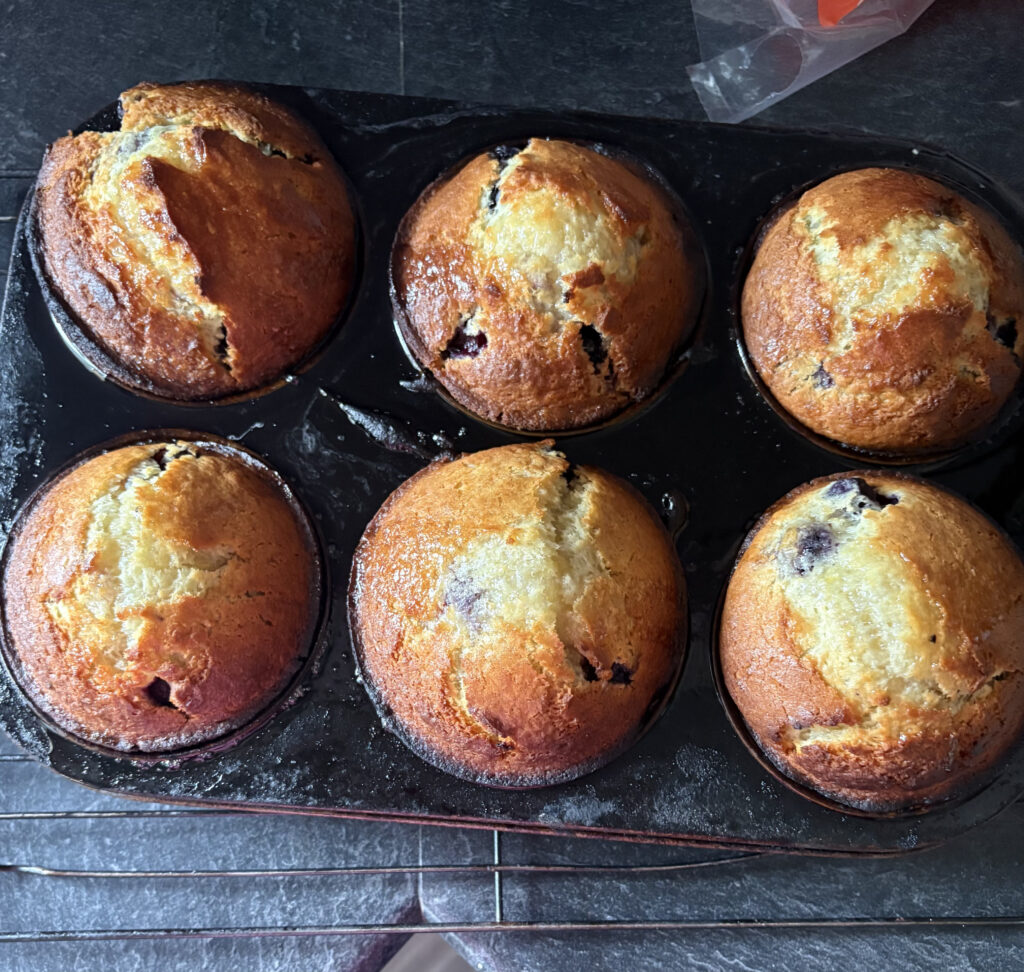
For my inquiry project, I am focusing on creating a new gluten-free recipe each week, both sweet and savoury. I chose this topic because I became gluten-free about eight months ago and quickly realized how difficult it can be to find recipes that are not only gluten-free, but also easy to make and genuinely taste good. Through my own experience, I’ve noticed that many gluten-free recipes are either overly complicated or don’t compare well to non–gluten-free options. I also know that many people are gluten-free or have celiac disease, which makes access to enjoyable and reliable recipes even more important.
My initial goal for this inquiry is to experiment with gluten-free baking and cooking while developing recipes that are simple, accessible, and enjoyable. I want to build confidence in gluten-free cooking and create recipes that others could realistically make at home. This week, I started my inquiry by making gluten-free Berry Blast Muffins, which allowed me to explore ingredient substitutions compared to traditional baking. This recipe was one of the first Gluten-Free treat I made. Took a couple times but I finally feel like I perfected these.
To support my inquiry, I plan to use a variety of resources, including gluten-free food blogs, Tik-Tok, and online baking guides. Some resources I expect to use include Minimalist Baker, and Celiac Canada, which offer helpful tips on ingredient swaps and gluten-free techniques. I will also reflect on my own trial-and-error experiences as part of the learning process.
To document my inquiry in a more engaging way, I will include photos of the recipes I create, along with written reflections on what worked well and what I would change next time. Using multimedia will help visually show the process and final results, making the inquiry more interactive and authentic. Throughout the project, I will also link to recipes, resources, and related blog posts to support my learning and connect my inquiry to existing gluten-free communities.
Ingredients
1 cup mixed berries (blueberries, raspberries, strawberries.. fresh or frozen)
1 ¾ cups gluten-free all-purpose flour
¾ cup sugar (white or coconut sugar)
2 tsp baking powder
¼ tsp salt
2 large eggs
½ cup milk (or almond/oat milk)
⅓ cup oil (or melted butter)
1 tsp vanilla extract
Recent Comments